

2026 Interior Design Trends
Designing Homes That Work for the Life You’re Actually Living

By 2026, many of us aren’t redesigning our homes because we’re bored of them — we’re redesigning because our lives have changed.
Children are older. Work happens at home. Space feels tighter. Energy costs matter. And suddenly, how a home functions matters just as much as how it looks.
The interior design trends emerging across UK homes this year reflect that shift. They’re less about what’s fashionable, and more about what supports everyday life.
Here’s what I’m seeing — and why it matters.
Read more: 2026 Interior Design Trends1. A Softer Approach to Minimalism
Minimalism hasn’t disappeared — it’s just warmed up.
In UK homes, where rooms are often smaller and light can be limited, the move is away from stark white and towards warmer neutrals: oat, clay, stone and soft grey-beige tones. These colours reflect light gently and make spaces feel calmer rather than cold.
This version of minimalism is practical. It allows for storage, children, and real life — without visual noise.
It’s not about owning less for the sake of it. It’s about owning better.
2. Texture Over Renovation (A Cost-Conscious Shift)
With renovation costs still high across the UK, 2026 is the year of working smarter with what you have.
Textured finishes are doing the heavy lifting:
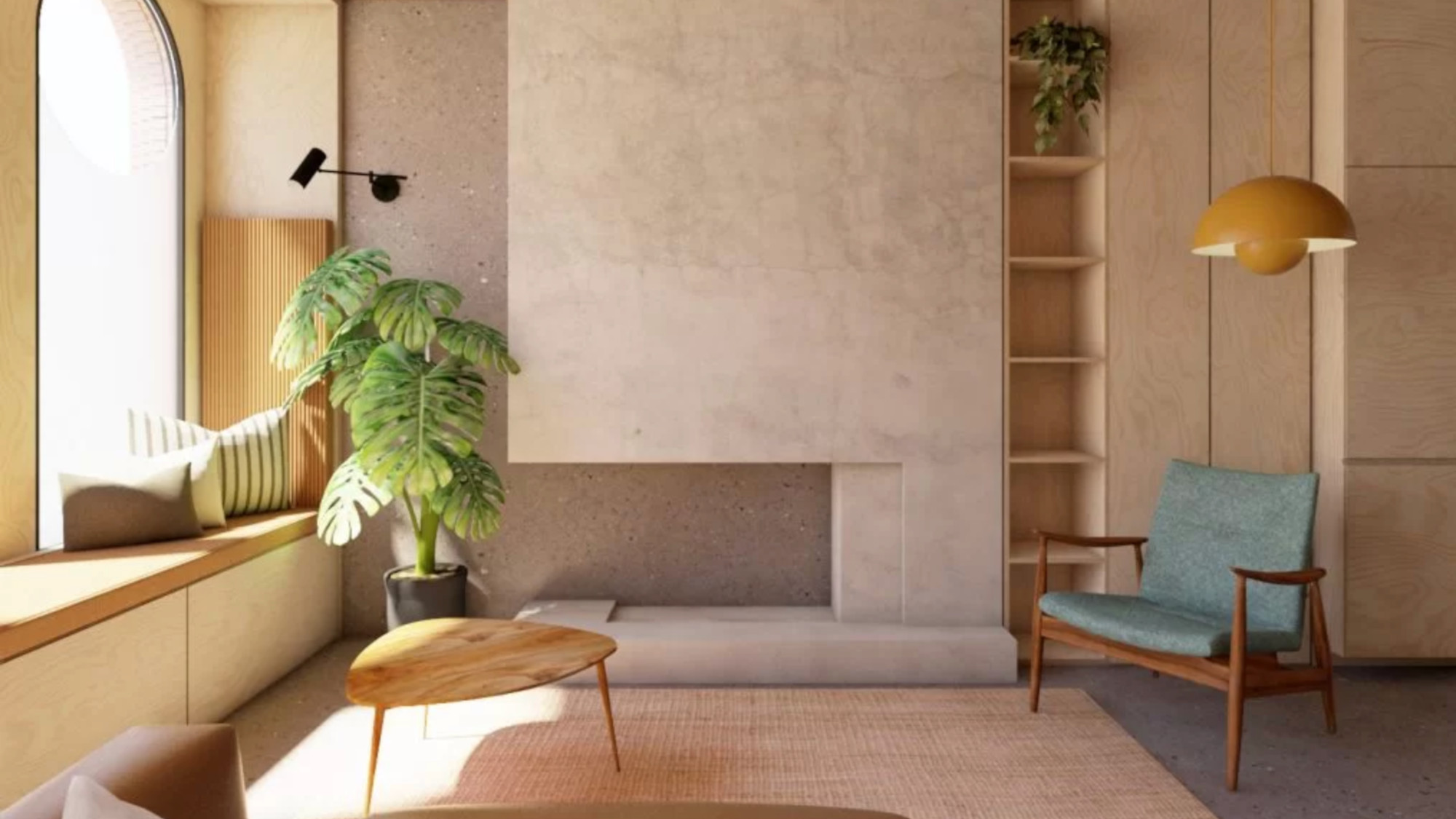
- limewash and clay paints
- plaster-effect walls
- timber panelling used sparingly
- layered textiles like wool, linen and boucle
These add depth and character without structural change — ideal for terraces, semis and period properties where full renovations aren’t always practical.
Texture makes a room feel finished, even when it’s simple.
3. Earthy Colour Palettes That Suit the British Light
British light is soft, cool and changeable — and 2026 colour trends finally respect that.
Instead of bold colours that feel overwhelming by mid-afternoon, we’re seeing:
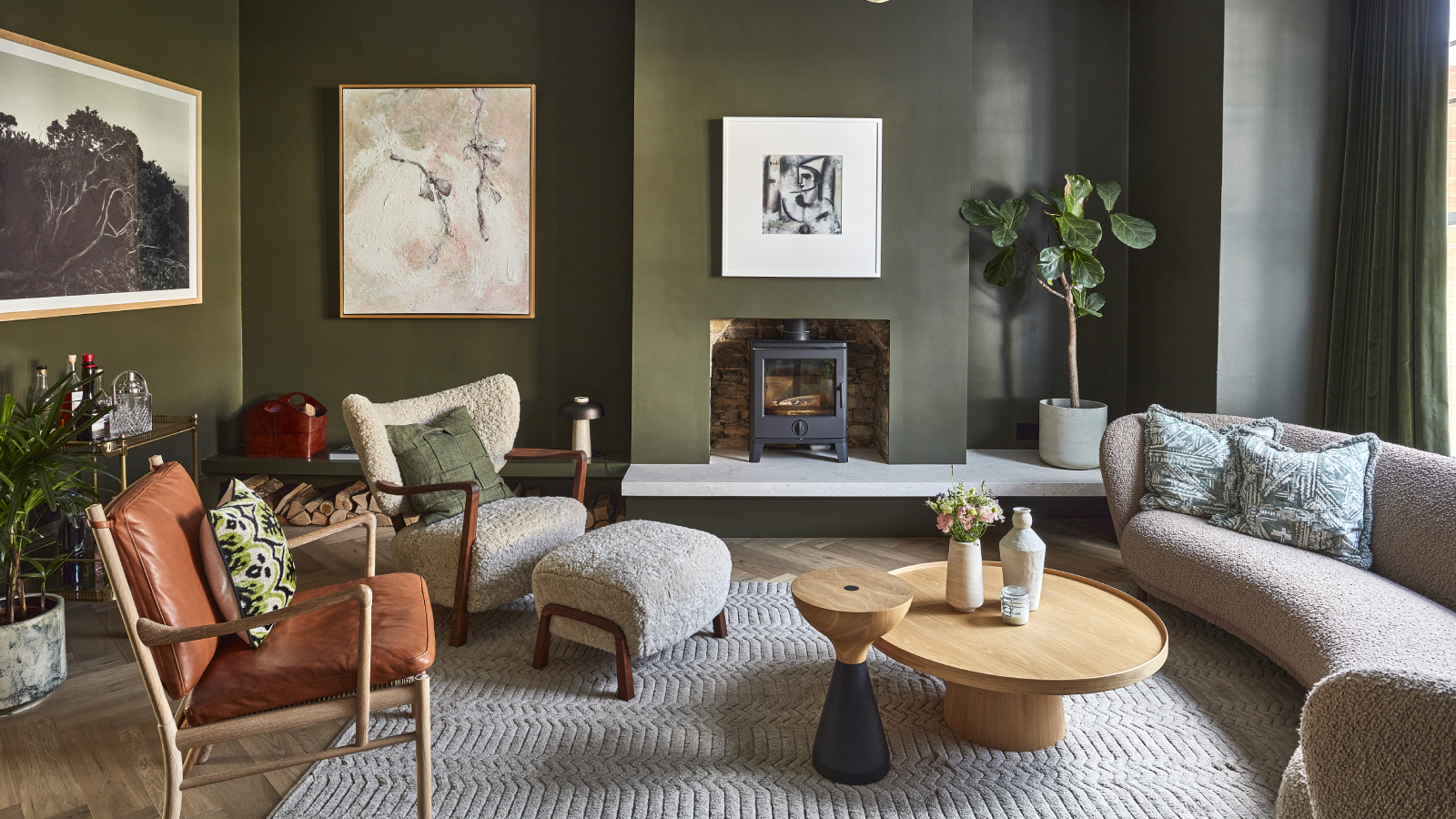
- muted greens
- warm mushroom tones
- chalky whites
- soft terracotta
- deep, grounding browns
These shades feel steady. They age well. And they don’t demand constant restyling.
Perfect for homes that need to last through different seasons of life.
4. Zoning Makes a Comeback (Because Open-Plan Isn’t Always Practical)
Open-plan living is being quietly reconsidered.
In UK homes — especially family houses — people want separation again. Not walls everywhere, but choice. Pocket doors, glazed screens, curtains, and flexible layouts allow rooms to shift throughout the day.
A kitchen that can close.
A living space that feels calm in the evening.
A place to work that doesn’t take over the house.
Good design in 2026 gives you options.
5. Biophilic Design, Adapted for the UK Climate
Biophilic design in the UK isn’t about palm trees and glass boxes — it’s about subtle connection to the outdoors.
Larger windows where possible.
Better sightlines to gardens.
Natural materials.
Plants that thrive in lower light.
Homes are being designed to support wellbeing quietly — especially during darker months.
This isn’t a trend anymore. It’s a necessity.
6. Lighting as a Design Decision, Not an Afterthought
UK homes often rely too heavily on ceiling downlights — and in 2026, that’s changing.
Lighting is layered, warmer, and more intentional:
- wall lights instead of more spotlights
- table lamps to soften evenings
- statement pendants used sparingly but confidently
Lighting now sets the emotional tone of a space, not just its visibility.
A Final Thought
The biggest interior design trend I see in UK homes for 2026 isn’t a colour or a finish.
It’s intention.
Designing spaces that feel supportive. Calm. Flexible. Homes that evolve as life does — rather than needing to be ripped out and redone every few years.
Good design isn’t about starting over.
It’s about making what you already have work better for where you are now.